Audi A3 40 TFSI e Not Charging? The Fault Was a 12V Wire in the Boot, Not the DC-DC Converter
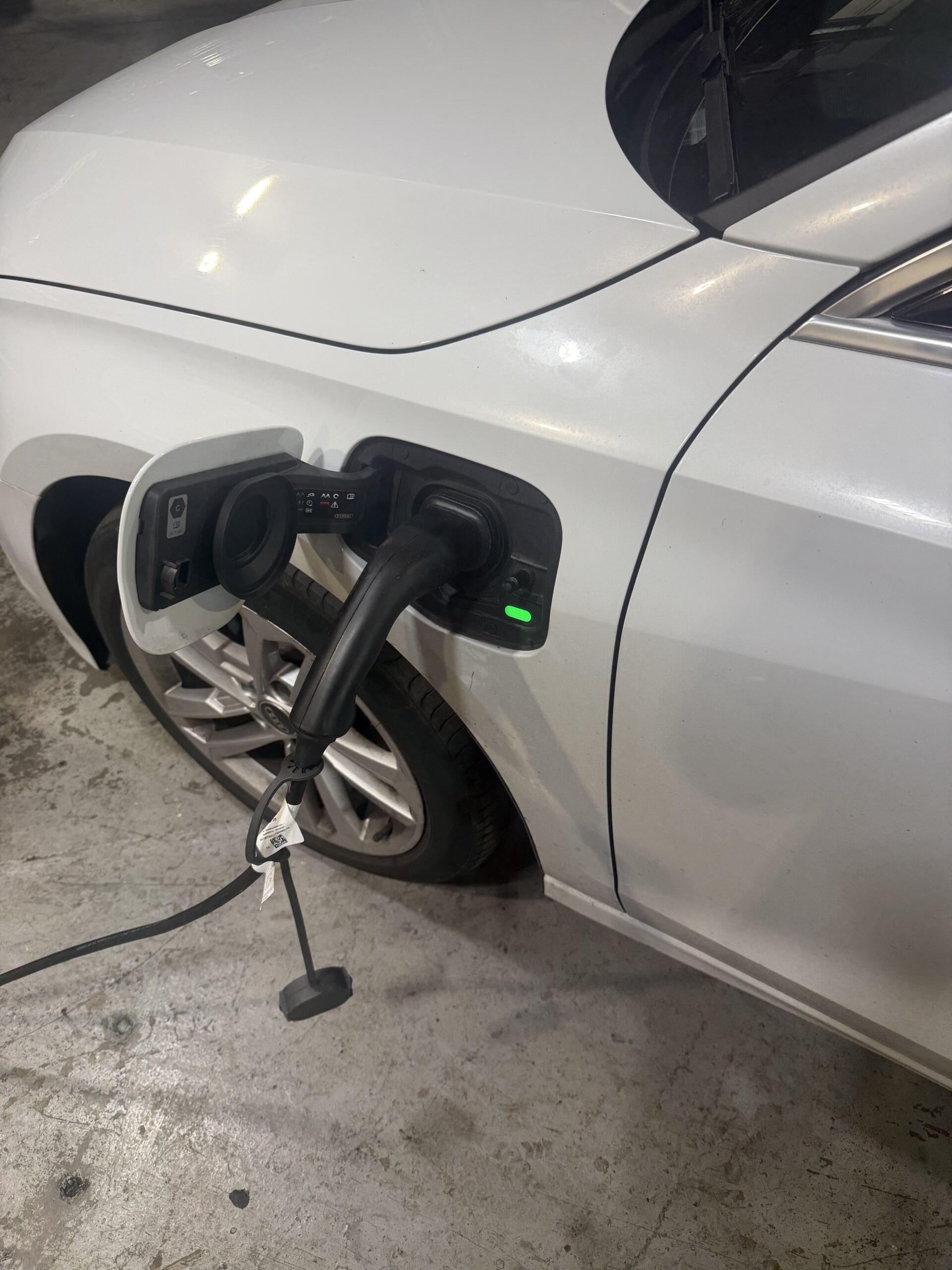
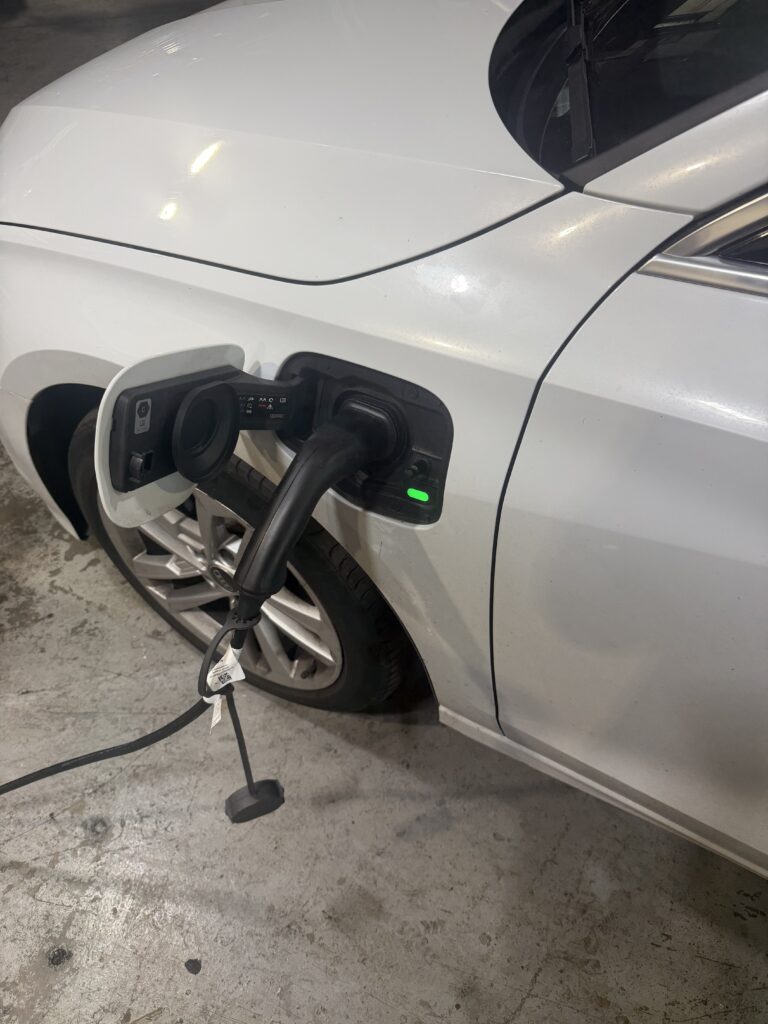
This Audi A3 40 TFSI e came into High Volt Garage unable to charge. The charge cable wouldn’t lock into the socket, and the car was running on petrol for every journey.
The first scan showed a string of DC-to-DC converter faults, along with others pointing at several expensive hybrid components. On paper, that’s a big repair bill.
The actual cause was a broken wire in the boot, on the circuit monitoring the 12-volt battery. Not part of the high-voltage system at all. We repaired it, and the car charges again.
Here’s why the codes pointed the wrong way, and how we found the real fault.
Why a charge port lock fault stops the car charging
The lock in the charging socket does more than hold the cable in place. Before charging can start, the car has to confirm the plug is fully inserted and secured. It’s a safety function. If the car isn’t satisfied that everything is in order, it won’t send power through the system.
When this goes wrong, you’ll typically see some combination of:
- The charging cable won’t lock into place
- Charging won’t start
- The charge port indicator shows a fault
- Warning messages, or several hybrid faults at once
- The car running mainly on petrol
The socket can look perfectly clean and undamaged. The cause may not be anywhere near it.
Why a 12-volt fault looked like a high-voltage failure
A plug-in hybrid has several control units talking to each other. The charging system, high-voltage battery, charge port and DC-to-DC converter all need to exchange information before a charge can begin.
The DC-to-DC converter takes power from the high-voltage battery and uses it to supply the car’s 12-volt system and keep the 12-volt battery charged. To do that, the car needs to know what the 12-volt battery is doing.
With the monitoring wire broken, that information disappeared. The converter and other modules logged faults because they weren’t seeing what they expected, and the car wouldn’t carry on as normal. The result was a long list of codes naming high-voltage components that had nothing wrong with them.
This is where diagnosis goes wrong. A code tells you where the car detected a problem. It doesn’t tell you which part caused it. Replace whatever the code names without testing the circuits around it, and you can spend a lot of money on a DC-to-DC converter and still have a car that won’t charge.
How we found it
We worked through the car using ODIS Guided Fault Finding, the Volkswagen Group’s own diagnostic platform. It gives us the manufacturer’s test plans for Volkswagen, Audi, SEAT, Škoda and CUPRA.
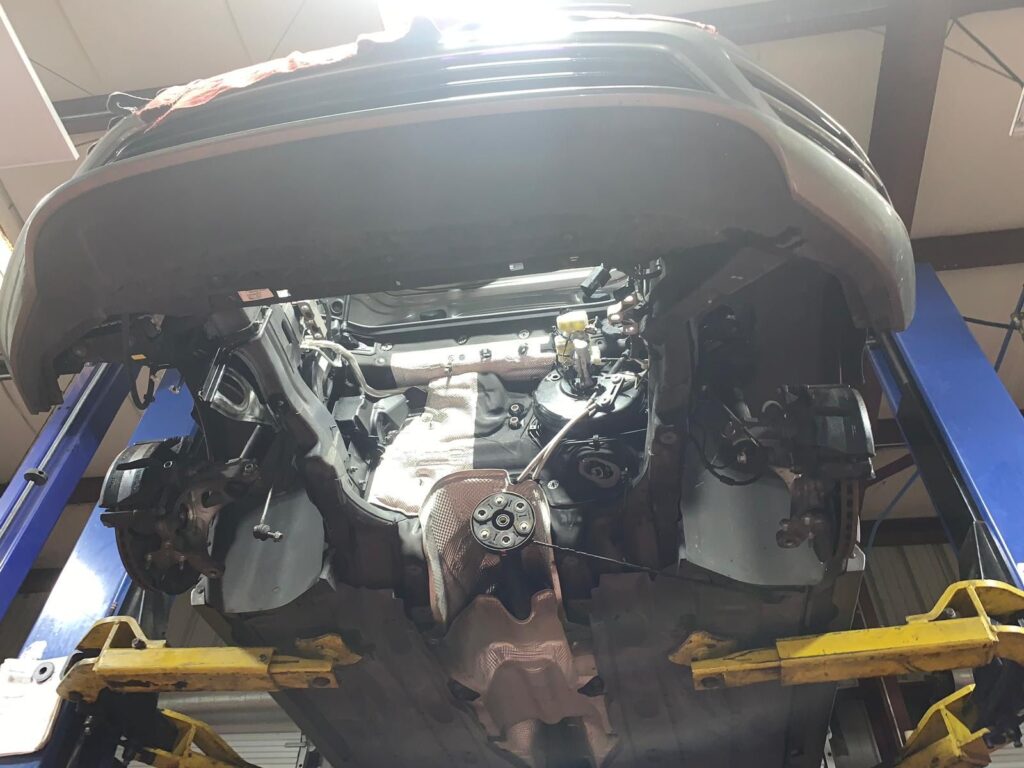
Rather than reading the codes and clearing them, we followed the test plan through the wiring and signal checks, system by system. That led us away from the high-voltage components entirely and into the boot, to a broken wire on the 12-volt battery monitoring circuit.
One wire repaired, instead of a list of parts that were never the problem.
Not just the A3
The 40 TFSI e shares its plug-in hybrid system with a number of other Volkswagen Group cars, including the VW Golf eHybrid and GTE, Tiguan eHybrid, CUPRA Leon and Formentor e-Hybrid, SEAT Leon e-Hybrid, and Škoda Octavia and Superb iV.
The layout varies from car to car, but the principle doesn’t. If one of these won’t charge and the scan is full of DC-to-DC and hybrid faults, the first job is finding out what’s actually wrong, not ordering what the codes name.
Why hybrid work needs the right training
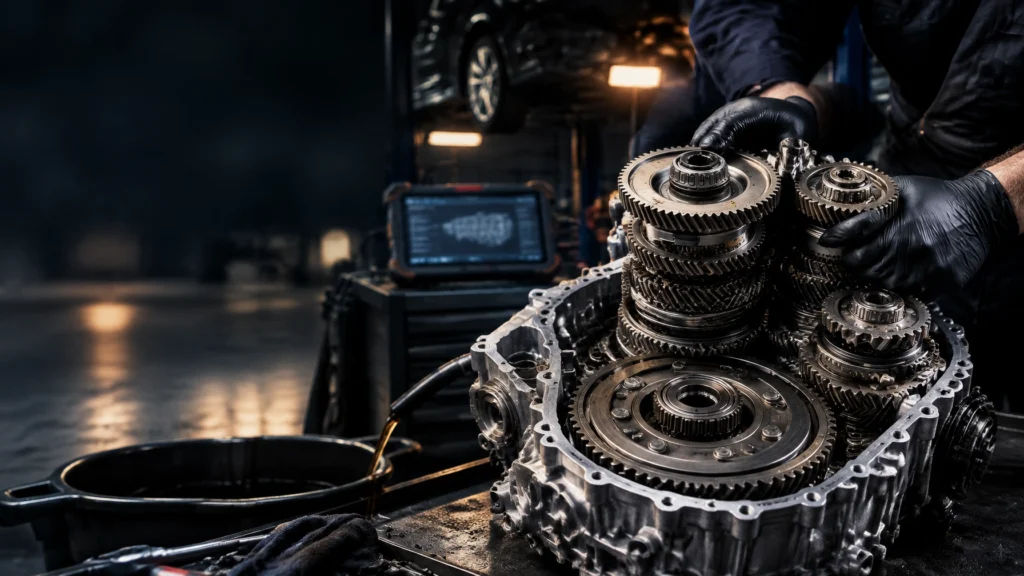
A plug-in hybrid combines a petrol engine, high-voltage battery, electric drive, charging equipment, 12-volt systems and multiple control units. As this car shows, a fault in one part of that network shows up in others.
Both our master technicians are qualified to IMI Level 4 in EV and Hybrid. That matters for more than diagnosis. High-voltage work has to be carried out with the correct isolation and testing procedures, every time. A plug-in hybrid isn’t a conventional car just because it still has a petrol engine.
If your car is coming out of warranty, that’s the point to choose a workshop that understands these systems and can tell you what a fault means, rather than one that replaces the most expensive part on the scan.
If your plug-in hybrid won’t charge
Don’t assume a DC-to-DC fault code means the converter has failed. In this case, the fault wasn’t even on the high-voltage side.
And don’t leave it. A car that won’t charge loses most of the point of being a plug-in, and the longer it’s left, the more secondary faults other systems start to log.
A diagnosis with us includes:
- A full VAG diagnostic scan using ODIS, or VCDS where it’s the right tool
- Guided fault-finding, not code clearing
- Testing of the wiring, signals and affected control units, including the 12-volt side
- A clear line between the fault reported and the actual cause
- Safe handling of high-voltage systems
- Repairs based on what the car has been proven to need
- Digital Service Record updates where applicable
Common questions
Why won’t my plug-in hybrid charge?
The most common signs are a charge cable that won’t lock and a charge that won’t start. The cause can be the charge port lock, the socket, the cable or wallbox, or a fault elsewhere in the car that stops it confirming it is safe to charge. On the Audi A3 40 TFSI e in this article, the cause was a broken wire on the 12-volt battery monitoring circuit in the boot. It needs proper diagnosis before any parts are replaced.
Does a DC-DC converter fault code mean the converter has failed?
Not necessarily. A fault code tells you where the car detected a problem, not which part caused it. A broken wire, poor connection or missing signal can make the DC-DC converter log faults even when the converter itself is fine. The circuits around it should be tested before the converter is condemned.
Can a 12-volt fault stop a plug-in hybrid from charging?
Yes. The DC-DC converter uses high-voltage battery power to supply the 12-volt system and keep the 12-volt battery charged, so the car needs to know what the 12-volt battery is doing. If that information is lost, the car can log high-voltage faults and refuse to charge, even though nothing is wrong on the high-voltage side.
Which cars use the same plug-in hybrid system as the Audi A3 40 TFSI e?
The same Volkswagen Group plug-in hybrid system is used in cars including the VW Golf eHybrid and GTE, Tiguan eHybrid, CUPRA Leon and Formentor e-Hybrid, SEAT Leon e-Hybrid, and Škoda Octavia and Superb iV. The layout varies between models, but the diagnostic approach is the same.
If your Audi A3 40 TFSI e, or any VW, SEAT, CUPRA or Škoda plug-in hybrid, won’t charge, the cable won’t lock, or you’re seeing a list of hybrid and DC-to-DC faults, call High Volt Garage on 0191 586 4148 or book online. We’re on Pease Road in Peterlee, open Monday to Thursday, 08:30 to 18:30.